The following blog article explores the art of slow living, and how embracing slow living in 2026 can contribute to a more balanced lifestyle.
The beginning of the year often brings pressure to set big goals and start strong. But sometimes, the most important goal you can choose is to slow down.
What is slow living?
Slow living is exactly how it sounds, taking the time to do things slower with mindfulness and purpose. It means taking time to be present in each moment, rather than rushing through life on autopilot.
Slow living helps you feel more grounded and connected with yourself and the world around you.
Benefits of slow living:
Adopting a slower, more mindful approach to your everyday life can support your wellbeing in many ways, including:
- Reduced stress and mental overload,
- Improved mental clarity,
- Increased joy and,
- Healthier relationships
Practices of slow living
Mindful eating
Mindful eating is about being fully present while you eat. Focus on the taste, texture, aroma, and appearance of your food. Slow down each bite and enjoy the experience, instead of rushing through meals or scrolling while eating.
Decluttering
A cluttered environment can contribute to feelings of stress, distraction, and anxiety. Simplify your surroundings by reducing the physical clutter around you, and ask yourself if the items add value to your life or if they’re just taking up space. An organised environment can help reduce mental clutter and promote mindfulness.
Journaling
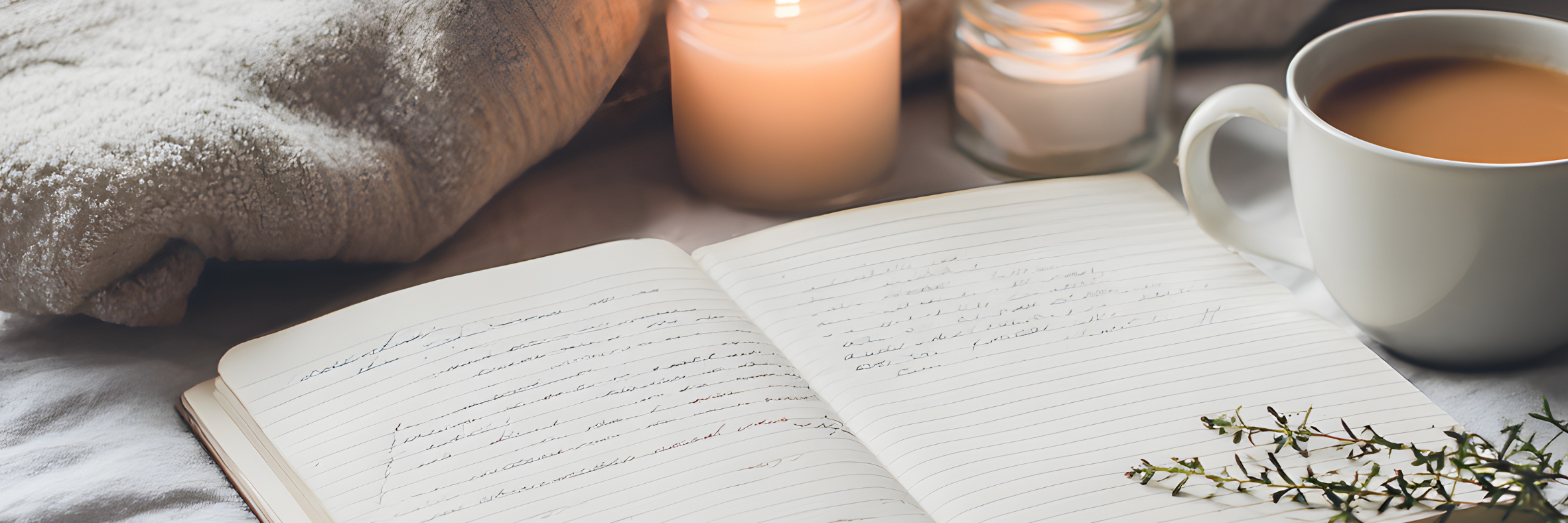
Journaling is a form of reflection that allows you to process thoughts and emotions. Journaling can help slow down your thinking process and encourage self-reflection, which can enhance emotional memory.
Writing about an event or idea forces you to recall details and re-engage with your experiences. The act of remembering and then recording information helps solidify it in your mind.
Unplugging
Unplug and take intentional breaks from digital elements in your life, such as phones, computers, and social media. The goal is to create a space to rest and separate from the fast-paced and overstimulating characteristics of technology.
Creating a slow routine
A slow routine involves intentionally structuring your day in a way that emphases balance, presence, and relaxation. This can include: creating a morning or evening routine that promotes calmness. For example, you might wake up 30 minutes earlier to meditate, read, or sip tea before starting your day.
- Include pockets of rest throughout the day to recharge.
- Set clear boundaries around work and personal time to avoid overcommitting.
- Engage in activities that ground you, like stretching, breathing exercises, or journaling.
In a world where everything moves at a relentless pace, slow living offers a way to create space for peace and presence. It's about finding balance, nurturing your mental well-being, and reconnecting with the simpler, more meaningful things in life.

.png?format=webp&width=1619&height=540&quality=100&rmode=max&d=-1239189691&hmac=6f66c27b614f6204d381af98ecfd4671257cc9eb4f321d51a351634cf010d23f)